- 18/04/2026
- by Dr. Pinak Dasgupta
- Blog
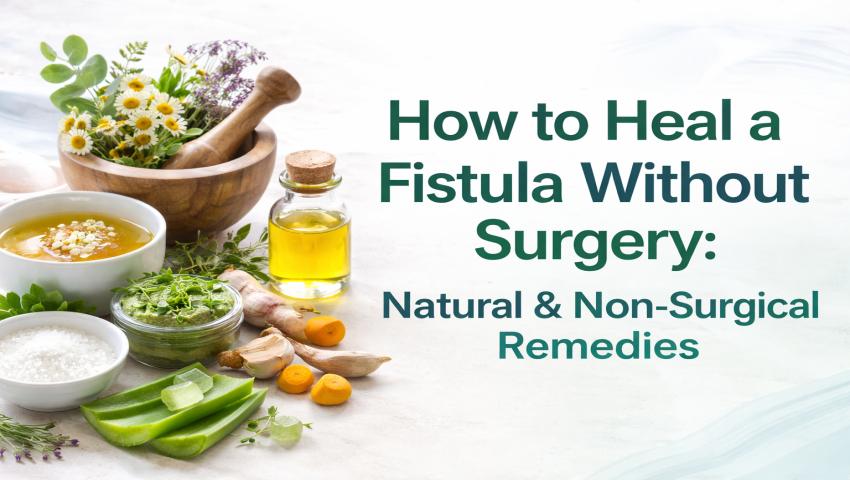
Can a fistula heal without surgery? This is one of the most common questions patients ask. The short answer is — it depends. Some fistulas may improve with non-surgical methods. But most anal fistulas require medical intervention.
Still, natural remedies and lifestyle changes can help manage symptoms. They can reduce discomfort and support recovery. Let us explore what works and what you need to know.
In this guide, we explore how to manage a fistula naturally. We also look at when it is time to consult a Fistula Specialist in Chennai like Dr. Pinak Dasgupta.
What Is an Anal Fistula?
An anal fistula is a small tunnel. It forms between the skin near the anus and the end of the bowel. It usually develops after an anal abscess. The abscess drains but leaves behind an infected tract.
Common symptoms include:
- Pain and swelling near the anus
- Discharge of blood or pus
- Skin irritation around the anal area
- Recurring abscesses
Fistulas do not usually heal on their own. Without proper treatment, they can worsen over time.
Can Natural Remedies Help?
Natural remedies cannot cure a fistula. But they can help with symptom management. They reduce inflammation, keep the area clean and support the immune system.
Here are some commonly used methods.
1. Sitz Baths:
A sitz bath is one of the most effective home remedies. Fill a shallow tub with warm water. Sit in it for 15 to 20 minutes. Do this two to three times a day.
Benefits of sitz baths:
- Soothes irritated skin
- Reduces swelling
- Keeps the area clean
- Relieves pain naturally
You can add a pinch of salt or a few drops of tea tree oil to the water. This helps prevent infection.
2. High-Fibre Diet:
Constipation puts pressure on the anal area. This can worsen fistula symptoms. A high-fibre diet keeps your stool soft.
Include these in your daily diet:
- Fresh fruits like papaya, banana and guava
- Vegetables like spinach, carrots and beans
- Whole grains like brown rice and oats
- Lentils and legumes
Drink at least 8 to 10 glasses of water daily. Hydration is key.
3. Turmeric (Haldi):
Turmeric is a powerful natural anti-inflammatory agent. It has been used in Ayurveda for centuries. Curcumin in turmeric helps fight infection and reduce inflammation.
How to use turmeric?
- Mix a teaspoon of turmeric in warm milk. Drink it daily.
- You can also apply a turmeric paste externally. But consult your doctor first.
4. Neem (Indian Lilac):
Neem has strong antibacterial and antifungal properties. It helps clean the affected area and reduces infection.
How to use neem?
- Boil neem leaves in water
- Let it cool
- Use the water to clean the anal area
This can reduce irritation and prevent bacterial growth.
5. Aloe Vera:
Aloe vera is known for its soothing and healing properties. It helps reduce redness and discomfort. Apply fresh aloe vera gel to the affected area. Leave it for 15 minutes and rinse with warm water. Repeat twice daily.
6. Coconut Oil:
Coconut oil has anti-inflammatory and antimicrobial properties. It can help reduce discomfort and keep the area moisturised.
Apply organic virgin coconut oil to the external area. It provides temporary relief from itching and burning.
7. Avoid Straining During Bowel Movements:
Straining worsens the fistula. It puts unnecessary pressure on the anal region.
Tips to avoid straining:
- Never delay bowel movements
- Use a footstool while sitting on the toilet (helps align the bowel)
- Eat fibre-rich food regularly
- Do not spend too long in the toilet
8. Good Hygiene Practices:
Keeping the area clean is essential. Poor hygiene increases the risk of infection.
- Clean the area gently after each bowel movement
- Use soft, unscented wipes or plain water
- Avoid harsh soaps or chemical-based products
- Pat dry — do not rub
9. Yoga and Light Exercise:
Gentle movement improves blood circulation. It supports healing and reduces stress.
Try these:
- Slow walking for 20 to 30 minutes daily
- Deep breathing exercises
- Gentle yoga postures (avoid intense poses)
Avoid any exercise that puts pressure on the anal area.
When Natural Remedies Are Not Enough?
Here is the hard truth. Natural remedies can only manage symptoms. They cannot close the fistula tract. Most anal fistulas need surgical or procedural treatment.
If you notice the following, consult a specialist immediately:
- Increasing pain or discharge
- Fever or chills
- A recurring abscess
- No improvement after home care
Delaying treatment can lead to complications. These include spreading infection, complex fistula tracts and even faecal incontinence.
Advanced Non-Surgical Treatments:
Some patients may benefit from minimally invasive procedures. These are not fully surgical but go beyond home remedies.
- Fibrin Glue Injection — A glue is injected into the fistula tract to seal it.
- Fistula Plug — A bio-absorbable plug is placed in the tract.
- LIFT Procedure (Ligation of Intersphincteric Fistula Tract) — A minimally invasive technique that preserves sphincter function.
These options are available at advanced surgical centres. Speak with a qualified Fistula Specialist in Chennai to understand which option suits you.
Why You Should See a Specialist?
If you are dealing with a fistula, do not wait. Self-treatment has limits. A qualified Proctologist in Chennai will assess your condition properly.
They will check:
- The depth and type of fistula
- Whether there is an active infection
- The best treatment approach for you
Do not rely only on online advice. Each case is different.
Consult Dr. Pinak Dasgupta — Fistula & Colorectal Expert in Chennai:
If you are looking for the Best GI Surgeon in Chennai, Dr. Pinak Dasgupta is a name you can trust. He is a highly experienced Robotic Surgeon in Chennai and a leading colorectal specialist at GEM Hospital.
Dr. Pinak Dasgupta has over 21+ years of experience and has completed more than 15,000 surgeries. He is recognised among the Top 10 Most Promising Colorectal Surgeons of India (2024). He has trained over 500 surgeons globally and won 50+ prestigious awards.
As a trusted Fistula Specialist in Chennai and an expert Proctologist in Chennai, Dr. Pinak Dasgupta offers both minimally invasive and robotic surgical options. His approach is patient-first — always choosing the least invasive method that gives the best results.
Conclusion:
Natural remedies can provide relief from fistula symptoms. They are helpful as supportive care. But they are not a cure. Most fistulas require medical or surgical treatment. The earlier you seek help, the better your outcome. Do not let fear or delay worsen your condition.
Dr. Pinak Dasgupta is a Proctologist in Chennai who has treated over 20,000 happy patients. Schedule your appointment today for a pain-free tomorrow.