
- 24/08/2026
- by Dr. Pinak Dasgupta
- Blog
Has your doctor recently recommended robotic surgery for a cancer diagnosis, either for you or someone close to you? If so, one question is probably on your mind more than any other — is robotic surgery safe, or is it just an expensive, high-tech option that adds unnecessary risk?
This confusion is completely understandable. When it comes to something as serious as cancer, every decision deserves careful thought — and the word “robot” attached to surgery tends to raise more questions than it answers. Does the robot operate on its own? What happens if something goes wrong?
In this article, we break all of this down in plain, simple language — no confusing medical jargon. With insights drawn from the clinical experience of Dr. Pinak Dasgupta, who brings 21 years of surgical expertise and practices at ALVUS Care, we’ll walk you through how robotic cancer surgery actually works, how safe it really is, and everything you should know as a patient before going ahead.
What Is Robotic Cancer Surgery?
Let’s clear up the biggest misconception first — robotic cancer surgery does not mean a robot is operating on you independently. That’s far from the reality.
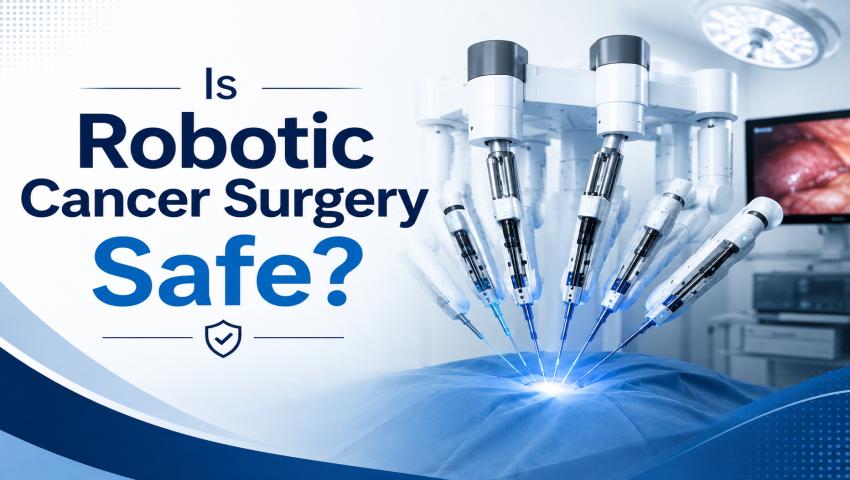
In robotic-assisted surgery, the surgeon sits at a console and controls the robotic arms directly. The system has no independent decision-making ability — every movement is a real-time translation of the surgeon’s own hands. Key points to know:
- Surgeon stays in full control from a console in the operating room
- Wristed instruments allow greater precision than the human hand
- Surgeon gets a magnified, 3D view of the surgical site
Today, robotic surgery for cancer treatment is widely used for prostate, colorectal, kidney, lung, and gynaecological cancers. Dr. Pinak Dasgupta, an experienced Robotic Surgeon in Chennai, regularly applies this technique in complex cancer cases.
How Is It Different from Traditional or Laparoscopic Surgery?
A common question patients have is — what exactly is the difference in robotic surgery vs traditional surgery?
Laparoscopic surgery is also minimally invasive, but the robotic system adds extra dexterity and visualisation — which proves especially useful in complex cancer surgeries.
Is It Actually Safe? What the Evidence Says?
Quick answer: Yes — is robotic cancer surgery safe is a question with a reassuring answer. It’s generally considered a safe, well-established treatment option, though outcomes always depend on the cancer type and stage, the patient’s overall health, and most importantly, the surgeon’s experience.
What the Clinical Data Shows?
- Lower complication rates: Robotic surgeries often show fewer complications compared to traditional open surgery
- Reduced blood loss: Significantly lower blood loss during the procedure
- Lower infection risk: Smaller incisions mean reduced exposure and faster healing
- Strong surgical accuracy: Cancer removal precision (surgical margins) tends to be strong with robotic techniques, when performed by experienced hands
Why It Matters for GI Cancers?
In GI cancers — such as colorectal, stomach, or oesophageal cancer — precision is everything. A skilled Robotic GI Surgeon in Chennai can use robotic precision to remove tumours while minimising damage to surrounding tissue, which directly supports faster recovery and better outcomes.
The Real Deciding Factor: Surgeon Experience:
Technology aside, one thing consistently determines how safe and effective the surgery is — the surgeon’s hands-on experience. This is why patients in Chennai often look for a trusted Robotic Surgeon in Chennai who brings both technical skill with the robotic system and deep clinical understanding of cancer care.
Benefits Patients Often Experience:
When surgery is performed at the right hospital by an experienced surgeon, the balance of robotic surgery risks and benefits tends to favour the patient. Common benefits include:
- Smaller incisions and less scarring
- Reduced blood loss during surgery
- Shorter hospital stay
- Faster return to daily activities
- Less pain after surgery
- Lower risk of infection
Potential Risks and Limitations:
Like any surgical procedure, robotic surgery does come with its own limitations. It’s important to be aware of these so you can set realistic expectations:
- Surgery time may be slightly longer in some cases
- Cost can be higher than traditional surgery — so it’s worth clarifying robotic cancer surgery cost with the hospital beforehand
- Not every patient or cancer stage is suitable for a robotic approach
- The surgeon’s experience and training play a critical role
- In rare cases, the surgery may need to be converted to open surgery
These disadvantages are uncommon, but transparency matters, an informed patient is always better positioned to make the right decision.
How to Know If You're a Good Candidate?
Robotic surgery isn’t suitable for every patient. Doctors typically evaluate:
- The type and stage of cancer
- Location of the tumour
- The patient’s overall health and fitness
- Any previous surgeries or relevant medical history
Getting a proper evaluation from an experienced specialist is essential — at ALVUS Care, Dr. Pinak Dasgupta conducts a detailed assessment for each patient, ensuring the treatment plan is tailored to their individual condition.
His background as the best laparoscopic surgeon in Chennai also helps in this assessment, as he’s able to compare both robotic and laparoscopic approaches to recommend the option best suited to each patient.
Questions Patients Should Ask Before Surgery:
Before going ahead with surgery, make sure to ask your surgeon:
- How many robotic cancer surgeries have you performed?
- What specific risks apply to my case?
- What is the expected recovery time?
- What’s the backup plan if a complication arises during surgery?
- What will the total cost and insurance coverage look like?
If you’re based in Chennai and want a second opinion, consulting a best laparoscopic surgeon in Chennai is a good step, it allows you to compare your options and make a confident, well-informed decision.
Recovery: What to Expect?
Recovery after robotic surgery is generally faster compared to traditional open surgery:
- Hospital stay: Usually 2–4 days (varies by case)
- Pain: Reduced, since incisions are smaller
- Return to normal activities: Most patients resume daily routines within 2–4 weeks
- Follow-up: Regular check-ups are important to track healing progress
Recovery timelines can vary from patient to patient, so it’s important to carefully follow your surgeon’s post-operative instructions.
Final Thoughts:
To answer the question directly: yes, robotic cancer surgery is a safe and effective option when performed by a skilled, experienced surgeon. As Dr. Pinak Dasgupta, with 21 years of surgical experience, often points out, technology only delivers results when there’s a trained, experienced hand behind it.
If you or someone close to you is considering cancer surgery, having the right information and the right specialist matters equally. Consulting a trusted Robotic GI Surgeon in Chennai can help you get your questions answered and choose the treatment path that’s right for you.
Have questions about robotic cancer surgery? Book a consultation with Dr. Pinak Dasgupta at ALVUS Care, Royapettah, Chennai, and get a personalised treatment plan for your condition.
📞 Call: +91 8811091676
👉 Book an Appointment | Online Consultation
Frequently Asked Questions:
Surgery time can be slightly longer, cost is often higher than traditional surgery, and not every patient or cancer stage is suitable. Outcomes also depend heavily on the surgeon’s experience.
Most patients are discharged within 2–4 days and return to normal activities within 2–4 weeks, depending on the case.
Robotic surgery usually means smaller incisions, less blood loss, and lower infection risk. Traditional surgery may still be needed for certain complex or advanced-stage cases.
It depends on the cancer type and stage, tumour location, and your overall health. A consultation with an experienced surgeon is the best way to confirm eligibility.