
- 18/09/2026
- by Dr. Pinak Dasgupta
- Blog
Blood while passing stool, sudden constipation, a stubborn lump that won’t go away, most people quietly ignore these for months, hoping they’ll disappear on their own. Sometimes they do. But sometimes, they’re your body’s early warning system trying to get your attention before things get complicated.
That’s the tricky part with colorectal issues: the early signs are easy to dismiss, but the cost of ignoring them isn’t. And this is where a common question comes up: why do I need a colorectal surgeon at all, isn’t a regular doctor enough? Not always, especially when symptoms are persistent or rectal in nature.
Dr. Pinak Dasgupta, a Colorectal Surgeon in Chennai, sees this pattern often at ALVUS Care. Patients wait weeks, sometimes months, assuming it’s “just piles” or “just stress,” when a simple check-up could have settled things much earlier.
This blog breaks down 7 signs of colorectal problems that genuinely deserve a specialist’s opinion, so you know exactly when to stop waiting.
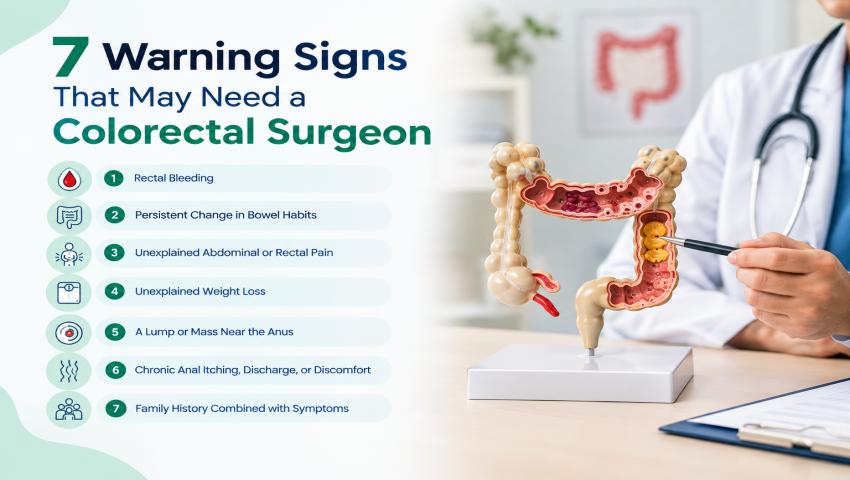
7 Warning Signs That May Need a Colorectal Surgeon:
1. Rectal Bleeding:
Seeing blood in your stool or on toilet paper can be alarming, and rightly so. A common question patients ask is, is rectal bleeding always serious? Not necessarily; common rectal bleeding causes recurrent piles (hemorrhoids) or a minor fissure, but it can sometimes be linked to more serious conditions too.
Get it checked promptly if you notice:
- Blood mixed with the stool rather than just on the surface
- Bleeding that keeps recurring over weeks
- Heavy bleeding or clots
- Bleeding along with pain or a change in bowel habits
Since blood in stool causes can range from mild to serious, a quick consultation with a colorectal surgeon is the safest way to rule out anything concerning.
2. Persistent Change in Bowel Habits:
An occasional bout of loose motions or constipation is normal. But if your bowel pattern shifts and stays that way for a while, it’s worth paying attention to.
Watch out for:
- Diarrhoea or constipation lasting more than 2-3 weeks
- Stools that suddenly become narrow or pencil-thin
- A constant feeling of incomplete bowel emptying
- Increased frequency or urgency without a clear cause
- Difficulty controlling bowel movements
3. Unexplained Abdominal or Rectal Pain:
Stomach pain that comes and goes is common, but certain patterns shouldn’t be brushed aside. If the pain keeps recurring, gets worse over time, stays localised around the rectal area, or comes with bloating and nausea, that’s unexplained abdominal or rectal pain worth getting checked, especially when it starts affecting your sleep or daily routine. This is one of the clearer 7 signs you need a colorectal surgeon rather than just waiting it out.
4. Unexplained Weight Loss:
Losing weight without trying, especially when combined with digestive symptoms, is one of the more serious red flags in colorectal health. It becomes more concerning when it’s paired with loss of appetite, general fatigue, or any of the bowel-related symptoms mentioned above. If you’re eating normally but still losing weight, don’t wait it out; a colon and rectal surgeon can help identify the cause early.
5. A Lump or Mass Near the Anus:
Noticing a lump or swelling near the anus can be worrying, and understandably so. While it’s often related to piles or an abscess, in some cases it could also point towards rectal prolapse, where part of the rectal lining slips outside the body. It’s important to have any lump examined properly rather than assuming it’s harmless, especially if it is:
- Painful or growing in size
- Bleeding or discharging fluid
- Not resolving on its own after a few days
6. Chronic Anal Itching, Discharge, or Discomfort:
Ongoing itching, discharge, or a general feeling of discomfort in the anal area could point towards anal fissure symptoms or anal fistula symptoms. These conditions are treatable, but only once properly diagnosed, so it helps to get them looked at rather than living with the discomfort. Common signs to note:
- Persistent itching that doesn’t go away with regular hygiene
- Discharge or moisture staining your underwear
- A burning sensation, especially during or after bowel movements
7. Family History Combined with Symptoms:
If colorectal cancer runs in your family, and you’re now noticing any of the symptoms mentioned above, don’t wait around. This is especially important if:
- A parent or sibling has had colorectal cancer or polyps
- You’re above 45 and haven’t had a screening colonoscopy yet
- You have a known condition like Lynch syndrome or FAP in the family
A family history combined with even mild symptoms is a strong enough reason for a timely consultation and screening. And if you’re wondering about family history of colon cancer when to get screened, most specialists recommend starting 10 years before the age your relative was diagnosed, or by age 40-45, whichever comes first.
When to See a Colorectal Surgeon vs. Your General Physician?
GI Doctor (Gastroenterologist):
- Diagnoses and manages digestive problems.
- Treats conditions with medication, diet changes, and non-surgical care.
- A good first choice for general stomach or digestion complaints.
Colorectal Surgeon:
- Treats conditions affecting the colon, rectum, and anus.
- Provides both medical and surgical treatment.
- Ideal for persistent, recurring, or rectal symptoms.
If your symptoms keep coming back, consulting a colorectal surgeon can help you get the right diagnosis and treatment sooner.
What Does a Colorectal Surgeon Treat?
Common conditions include:
- Piles and fissures
- Fistulas
- Rectal prolapse
- Diverticulitis
- Inflammatory bowel disease (IBD)
- Colorectal cancer
Dr. Pinak Dasgupta is a well-known Robotic Surgeon in Chennai, specialising in minimally invasive procedures for faster recovery and less discomfort. He is also recognised as a best laparoscopic surgeon in Chennai, offering advanced treatment options for complex conditions.
At ALVUS Care, patients can benefit from smaller incisions, shorter hospital stays, and faster healing. For patients diagnosed with cancer, timely diagnosis and appropriate colon cancer treatment in Chennai can significantly improve treatment outcomes.
Conclusion:
Bowel-related symptoms may feel uncomfortable to discuss, but ignoring them can delay the right treatment. Persistent rectal bleeding, bowel changes, unexplained pain, or other colorectal cancer symptoms should always be evaluated. With 21 years of experience, Dr. Pinak Dasgupta at ALVUS Care provides expert colorectal care and personalised treatment. If your symptoms persist, don’t wait—book a consultation and get them checked early.