
- 04/07/2026
- by Dr. Pinak Dasgupta
- Blog
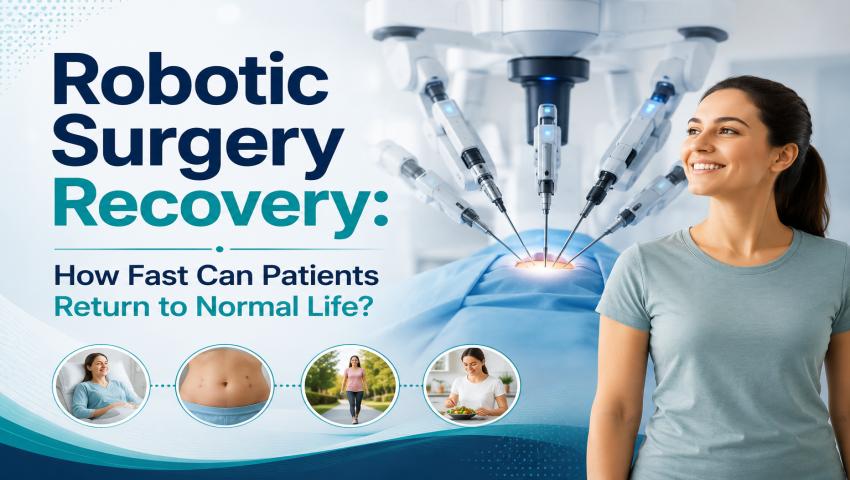
Many patients worry about surgery. They worry even more about recovery time. Will they miss work? Will they need bed rest for weeks? These are fair questions. Robotic surgery has changed the answer to these questions. It has made recovery faster and easier than ever before. Patients can now return to their normal life in days, not months.
In this blog, Dr. Pinak Dasgupta, the Best Robotic Surgeon in Chennai, explains how robotic surgery works and how quickly patients heal after it. He is one of the most trusted names for robotic and minimally invasive surgery in South India.
What Is Robotic Surgery?
Robotic surgery is a modern way of doing complex operations. The surgeon uses a robotic system to perform surgery through small cuts in the body. The robot does not work on its own. It is fully controlled by the surgeon at all times.
The robotic arms are more precise than human hands. They can move in ways the human wrist cannot. This gives the surgeon better control inside the body. As a Robotic GI Surgeon in Chennai, Dr. Pinak Dasgupta uses this technology for hernia repair, colorectal surgery, and other complex GI procedures.
Why Is Recovery Faster with Robotic Surgery?
Recovery is faster because the surgery causes less damage to the body. Traditional open surgery needs large cuts. Robotic surgery needs only small incisions, sometimes less than a centimetre. Smaller cuts mean less pain. Less pain means less need for strong painkillers. The body also heals faster when there is less tissue damage. Blood loss during robotic surgery is also much lower than open surgery.
Because of this, many hospitals are shifting from open surgery to robotic-assisted procedures for complex cases.
Benefits of Robotic Surgery Over Traditional Surgery:
Robotic surgery offers many advantages over traditional open surgery. Here are the key benefits:
- Smaller scars – Tiny cuts heal faster and leave minimal marks
- Less blood loss – Reduces the need for blood transfusion
- Lower infection risk – Smaller wounds mean fewer chances of infection
- Shorter hospital stay – Many patients go home within 1 to 3 days
- Less pain – Patients need fewer painkillers after surgery
- Better precision – The robotic system allows accurate movement in tight spaces
- Faster return to normal life – Patients resume daily activities much sooner
These benefits make robotic surgery a preferred choice for hernia, colorectal, and abdominal wall reconstruction surgeries.
Factors That Affect Recovery After Robotic Surgery:
Recovery speed is not the same for every patient. Several factors play a role:
- Type of surgery – A simple hernia repair heals faster than a complex colorectal surgery.
- Patient’s age – Younger patients often recover quicker.
- Overall health – Diabetes, obesity, or heart disease can slow healing.
- Following doctor’s advice – Patients who follow post-surgery instructions heal faster.
- Diet and nutrition – A healthy diet supports faster tissue repair.
- Physical activity level – Gentle movement helps recovery, but overexertion can delay it.
Understanding these factors helps patients set realistic expectations before surgery
What to Expect During the First Few Days After Surgery?
The first few days are important for healing. Here is what most patients experience:
- Day 1: Patients may feel mild pain or discomfort near the incision. Walking is encouraged within a few hours.
- Day 2-3: Most patients are able to eat normal food and walk around the room.
- Day 3-5: Many patients are discharged from the hospital, depending on the type of surgery.
- Week 1: Light activities like walking and self-care become easier.
Pain levels reduce quickly each day, which is one of the biggest advantages of robotic surgery.
When Can You Resume Work and Exercise?
Most patients with desk jobs can resume work within 10 to 14 days. Patients with physically active jobs should wait longer, usually 3 to 4 weeks.
Exercise should be reintroduced slowly. Light walking is good from day one. Heavy exercise, gym workouts, or lifting weights should wait until the doctor gives clearance, usually after 4 to 6 weeks. It is always best to consult your surgeon before starting any exercise routine after surgery.
Tips for a Faster and Smoother Recovery:
Here are some simple tips that help patients heal quickly:
- Walk daily – Gentle walking improves blood flow and prevents clots
- Eat a balanced diet – Include protein, fruits, and vegetables for healing
- Stay hydrated – Drink enough water every day
- Avoid heavy lifting – Do not lift heavy objects for at least 4 weeks
- Take medicines on time – Follow the prescribed medication schedule
- Keep the wound clean – Follow dressing instructions carefully
- Get enough rest – Sleep helps the body heal faster
- Attend follow-up visits – Regular check-ups help track recovery progress
Following these tips can make a big difference in how fast you recover.
Warning Signs You Should Not Ignore During Recovery:
While most recoveries go smoothly, patients should watch for these warning signs:
- High fever
- Increasing pain instead of improvement
- Redness, swelling, or pus near the incision
- Heavy bleeding
- Difficulty breathing
- Persistent vomiting
- Swelling in the legs
If any of these symptoms appear, contact your surgeon immediately. Early action can prevent complications.
How Dr. Pinak Dasgupta Helps Patients Recover Faster After Robotic Surgery?
Dr. Pinak Dasgupta has over 21 years of experience and has completed more than 15,000 surgeries, including 5000+ hernia surgeries. He is known across South India as the Best Robotic Surgeon in Chennai for his precision and patient-focused care.
He is a certified Intuitive DaVinci Robotic Console Surgeon and has trained over 500 surgeons globally. His expertise in robotic, colorectal, hernia, and abdominal wall reconstruction surgery ensures patients get the safest and most advanced treatment available.
Dr. Pinak personally guides every patient through their recovery journey. He provides clear instructions on diet, activity, and follow-up care. His patient-first approach has earned him recognition as one of the Top 10 Most Promising Colorectal Surgeons of India in 2024. At GEM Hospital, Chennai, he leads a dedicated team that supports patients from surgery to full recovery.
When Should You Consult a Robotic Surgeon?
You should consult a robotic surgeon if you have:
- A hernia that is painful or growing larger
- Symptoms of colorectal disease, such as blood in stool or chronic constipation
- A previous surgery with complications, like an abdominal wall defect
- A condition that needs minimally invasive treatment
Early consultation helps in faster diagnosis and better treatment outcomes. As an experienced Robotic GI Surgeon in Chennai, Dr. Pinak Dasgupta offers expert evaluation and the latest robotic treatment options.
Conclusion:
Robotic surgery has truly changed the way patients heal. With smaller cuts, less pain, and shorter hospital stays, patients can return to normal life much faster than with traditional surgery.
If you or your loved one needs hernia, colorectal, or abdominal wall surgery, choosing the right surgeon matters. Dr. Pinak Dasgupta, the Best GI Surgeon in Chennai, brings 21+ years of experience and advanced robotic skills to every case.
Book a consultation today at ALVUS Care, Chennai, and take the first step towards a faster, safer recovery.
Frequently Asked Questions:
Most patients start walking within a few hours of surgery, resume normal eating by day 2-3, and are discharged within 1 to 3 days. Full recovery and return to normal activities typically takes a few weeks, depending on the type of surgery.
Patients with desk jobs can usually resume work within 10 to 14 days. Those with physically demanding jobs should wait longer, generally 3 to 4 weeks, before returning.
Light walking is encouraged from day one to improve blood flow. However, heavy exercise, gym workouts, or lifting weights should wait 4 to 6 weeks and only after your surgeon gives clearance.
Robotic surgery uses very small incisions instead of large cuts, which means less tissue damage, less blood loss, lower infection risk, and less pain — all of which help the body heal faster.
Anyone with a painful or enlarging hernia, colorectal symptoms (like blood in stool or chronic constipation), complications from a previous surgery, or a condition suited to minimally invasive treatment should consider a consultation.