- 09/05/2023
- by Dr. Pinak Dasgupta
- Blog
Not every gallstone needs surgery, but some cannot safely wait. If your gallstones are silent and cause no symptoms, monitoring is usually enough. If they cause repeated pain, infection, jaundice, or inflammation, removing the gallbladder (cholecystectomy) is the safest long-term solution, and delay can lead to serious complications such as pancreatitis or a blocked bile duct.
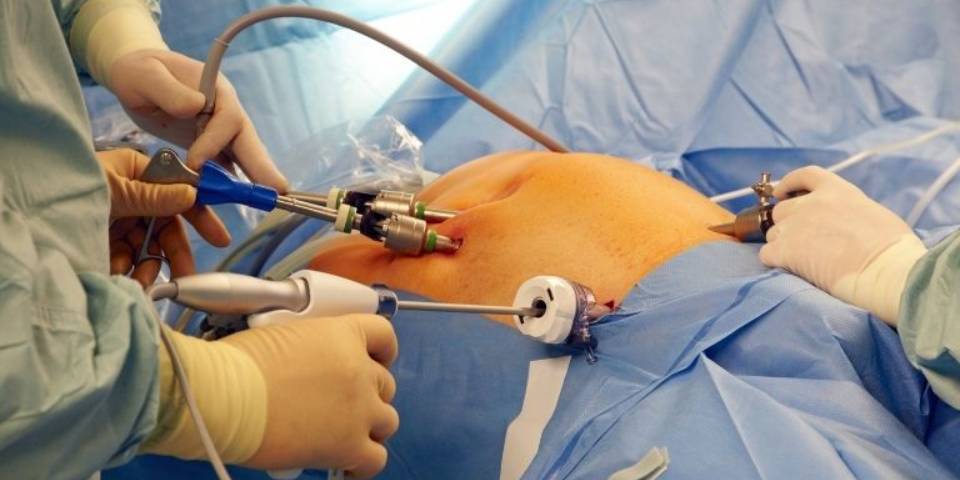
As a gallbladder surgeon in Chennai, Dr. Pinak Dasgupta uses laparoscopic and robotic techniques to treat gallstone problems, and he helps patients decide whether surgery is needed now, later, or not at all.
When is Gallbladder Surgery Necessary?
Gallbladder surgery (cholecystectomy) is recommended when gallstones cause symptoms, repeated attacks, or a risk of serious complications. Having gallstones alone is not enough reason for surgery. What matters is what the stones are doing. A robotic surgeon in Chennai like Dr. Pinak Dasgupta can assess your case and advise whether surgery is needed.
1. Symptomatic Gallstones (Biliary Colic)
If gallstones block the gallbladder outlet from time to time, they cause sudden pain in the upper right or upper middle abdomen. The pain often starts after a fatty meal and can last from 30 minutes to several hours. It may spread to the back or right shoulder blade, and nausea or vomiting is common.
Once you have had one attack, further attacks are likely, and they tend to get more frequent. This is why surgeons usually advise removing the gallbladder after repeated episodes, rather than waiting for a complication.
2. Acute Cholecystitis (Inflamed Gallbladder)
When a stone stays stuck, the gallbladder becomes inflamed and often infected. Typical signs are:
- Constant pain in the upper right abdomen lasting more than 5–6 hours
- Fever or chills
- Tenderness when the area is pressed
- Nausea and vomiting
This needs prompt medical attention. Surgery is generally most effective and safest when done early, ideally within the first few days of the attack. Operating later, once the inflammation has set in, is harder and carries a higher chance of complications.
3. Stones in the Bile Duct (Choledocholithiasis) and Cholangitis
Stones can leave the gallbladder and block the main bile duct. This can cause:
- Yellowing of the skin and eyes (jaundice)
- Dark urine and pale stools
- Fever with chills and upper abdominal pain, which may signal infection of the bile duct (cholangitis)
Cholangitis is an emergency. The duct is often cleared first (usually by ERCP), and the gallbladder is removed afterwards to prevent it from happening again.
4. Gallstone Pancreatitis
A gallstone can also block the pancreatic duct and inflame the pancreas. This causes severe upper abdominal pain that radiates to the back, along with repeated vomiting. Once the attack settles, the gallbladder is usually removed, often during the same hospital stay, because pancreatitis is likely to return if the stones remain.
5. Complications Like Empyema, Gangrene, or Perforation
In severe or neglected cases, the gallbladder can fill with pus, lose its blood supply, or rupture. These are surgical emergencies and are more likely in diabetic, elderly, or immunocompromised patients.
6. Gallbladder Polyps
Gallbladder polyps are small growths in the gallbladder wall, and most are harmless. Surgery is usually advised when:
- A polyp is 10 mm or larger
- A smaller polyp is growing on follow-up scans
- The patient is above 50 or the polyp is broad-based, or there are other risk factors
7. Porcelain Gallbladder
This is a gallbladder with a calcified wall, usually found on imaging. Because it may be linked to a higher cancer risk in some patients, surgery is often recommended even when there are no symptoms.
8. Suspected or Confirmed Gallbladder Cancer
Gallbladder cancer is uncommon but more frequently seen in parts of North and East India, so a thorough work-up matters. Treatment depends on the stage, and in many cases involves a more extensive “radical” cholecystectomy that also removes nearby liver tissue and lymph nodes. Sometimes cancer is found unexpectedly after a routine gallbladder removal, and a second surgery may be needed.
9. Other Situations Where Surgery May Be Advised
- Gallbladder dysfunction (biliary dyskinesia) or acalculous cholecystitis: in selected patients after careful testing.
- Large stones (over 3 cm): in some patients, due to a higher cancer risk.
- Special medical circumstances: for example, gallstones in patients with sickle cell disease, or before certain transplant or weight-loss surgeries.
Can Gallbladder Surgery Wait?
It depends on your symptoms. Some people can safely wait, while others need treatment within days.
Safe to wait: If your gallstones were found by chance and you have never had pain (“silent stones”), surgery is usually not needed. Regular check-ups and a quick review if symptoms appear are enough.
Plan surgery soon: If you have had repeated gallbladder attacks, further attacks are likely, and each one carries a risk of infection or pancreatitis. A planned operation is safer than waiting for an emergency.
Act within days: Don’t wait if you have severe upper right abdominal pain lasting more than 5-6 hours, fever with chills, yellow eyes or skin, or pain spreading to the back with vomiting. These can signal an inflamed gallbladder, a blocked bile duct, or pancreatitis.
Risks of delay: Waiting too long can lead to pancreatitis, bile duct infection, or a ruptured gallbladder. It can also make the operation harder because of scarring, with a higher chance of converting from keyhole to open surgery. Diabetics, older adults, pregnant women, and people with weak immunity should be especially careful.
Medicines and home remedies: Diet changes can reduce attacks but do not remove stones. Medicines dissolve only some small stones, slowly, and the stones often return. Gallbladder “flushes” and herbal cleanses are not proven and can be harmful.
Dr. Pinak Dasgupta's Expertise:
Dr. Pinak Dasgupta is a surgeon specialising in complex GI, laparoscopic, robotic, and colorectal surgery. He treats gallbladder stones, hernias, and other gastrointestinal conditions, and he helps patients understand their options, including when surgery is needed and when it can safely wait.
Areas of practice
- Gallbladder surgery (laparoscopic and robotic cholecystectomy)
- Hernia surgery
- GI and colorectal surgery
- Advanced minimally invasive surgery
Speaks your language
Dr. Dasgupta is fluent in English, Hindi, Tamil, Bengali, and Assamese. Many patients travel to Chennai from North and East India and from abroad, and he makes sure they can describe their symptoms comfortably and ask questions about recovery.
Conclusion:
Gallstones don’t always mean surgery, but they shouldn’t be ignored once they start causing symptoms. Silent stones can usually be watched, while repeated attacks, fever, or jaundice are signs that it’s time to act. A planned operation is almost always safer and smoother than an emergency one.
If you’re dealing with gallbladder pain or have been told you have gallstones, get a proper evaluation instead of waiting and hoping. An ultrasound and a consultation with a gallbladder surgeon in Chennai can tell you whether to wait, plan surgery, or act now.
Ready to talk to a specialist? Call Dr. Pinak Dasgupta at +91 95002 90918 or Book an Appointment today.
Frequently Asked Questions
No. If gallstones are silent and cause no symptoms, they usually don’t need surgery and can be monitored. Surgery is advised when stones cause pain, infection, jaundice, or pancreatitis.
It can be delayed if you have no symptoms. If you have repeated attacks, it’s best to plan surgery soon. Severe pain, fever, or yellow eyes need urgent treatment, and delay can lead to complications and a harder operation.
Rarely. Diet changes can reduce attacks, and some medicines dissolve only small stones slowly, but the stones often return. Home remedies and “gallbladder flushes” are not proven and can be harmful.
Ignoring it can lead to an inflamed or infected gallbladder, bile duct blockage, pancreatitis, or a ruptured gallbladder. These conditions can become emergencies.
Both are minimally invasive and involve small cuts, less pain, and a quick recovery. Your surgeon will recommend the better option based on your condition, scans, and overall health.