
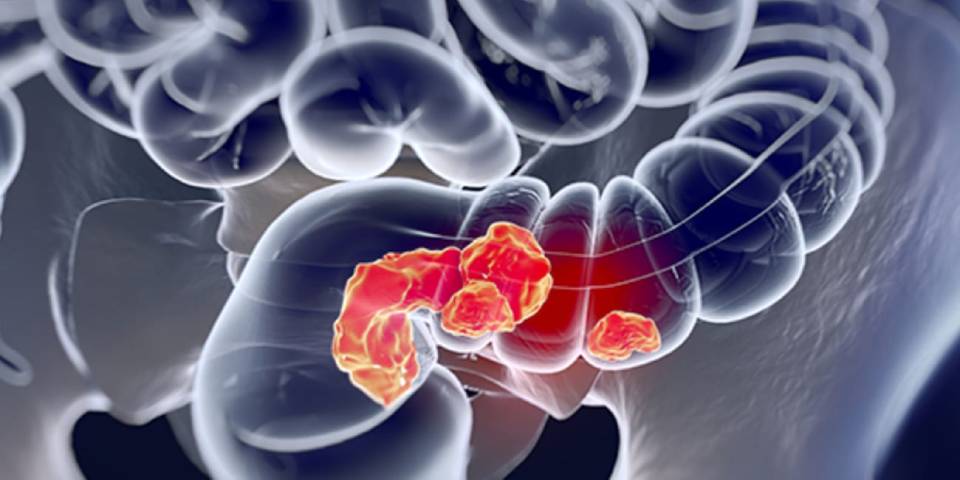
Are you suffering from rectal cancer and searching for the best treatment in Chennai? Dr. Pinak Dasgupta is one of the leading rectal cancer specialists in Chennai, known for offering expert care using advanced techniques like robotic and laparoscopic surgery. He currently leads the Department of Robotic Colorectal and Hernia Surgery at the world-renowned GEM Hospital, Chennai.
Dr. Pinak Dasgupta is a renowned Robotic, Colorectal, Hernia, and Abdominal Wall Reconstruction Surgeon with over 21 years of experience. He has successfully performed more than 5000 hernia surgeries and is recognised among the top robotic surgeons in South India. His unique ambidextrous surgical skills allow greater precision in complex laparoscopic and robotic procedures, especially in cancer and hernia treatments.
Over the years, he has trained more than 500 surgeons globally and continues to mentor many in the field of minimally invasive surgery. In 2024, Dr. Pinak was honoured as one of the Top 10 Most Promising Colorectal Surgeons of India. His commitment to patient care, combined with cutting-edge technology, ensures faster recovery and better outcomes for patients battling rectal cancer and other colorectal diseases.
What is Rectal Cancer?
Rectal cancer develops when abnormal cells grow in the rectum and form a tumour. These cells can spread locally or to other organs if not treated early. Patients often mistake symptoms for piles or other minor conditions, which delays diagnosis. Consulting an experienced rectal cancer surgeon like Dr. Pinak Dasgupta ensures proper evaluation and treatment at the right time.
Types of Rectal Cancer
Rectal cancer can be classified into different types, including:
- Adenocarcinoma – Most common type, affecting glandular cells lining the rectum.
- Squamous cell carcinoma – Arises from the thin flat cells inside the rectum.
- Carcinoid tumours – Rare, slow-growing cancers from hormone-producing cells.
- Sarcoma – Rare cancer that develops in connective tissues.
Each type requires a different approach, and a rectal cancer specialist in Chennai like Dr. Pinak Dasgupta can recommend the right treatment.
Who does rectal cancer affect?
Rectal cancer impacts both men and women, though men are little more likely to develop the disease. In most cases, people analyzed with the disease are over the age of 50. However, it’s possible for teens and young adults to develop rectal cancer, as well.
Around 5% of individuals will conceive rectal cancer at some point in their lives. Of those individuals, approximately 11% will be under the age of 50.
Symptoms of rectal cancer:
In numerous cases, rectal cancers don’t induce symptoms at all. Regardless, some people may notice some warning signs. Rectal cancer symptoms may include:
- Rectal bleeding.
- Blood in your stool (poop).
- Diarrhea.
- Constipation.
- A sudden change in your bowel habits.
- Narrow stool.
- Tiredness.
- Weakness.
- Abdominal pain.
- Unexplained weight loss
Causes Of Rectal Cancer:
The precise cause of rectal cancer is unknown. However, there are specific risk factors that raise your chance of developing the disease, including:
- Age: Like most cancers, the risk of rectal cancer grows with age. The average age of diagnosis is 63 for both men and women.
- Gender: Men are little more likely to conceive rectal cancer than women.
- Race: Statistically, Black individuals are more probably to develop rectal cancer. The reasons for this aren’t fully understood yet.
- Family history: If you have a family member who has been concieved with rectal cancer, your chance of developing it is almost double.
- Particular diseases and conditions: There are many health disorders that can increase your risk for rectal cancer, including inflammatory bowel diseases such as Crohn’s disease and ulcerative colitis.
- Smoking: Recent research suggests that people who smoke are more likely to die from rectal cancer than people who don’t.
- Eating processed meat: People who eat a lot of red meat and processed meat have a higher risk of developing rectal cancer.
- Obesity: People with obesity are more likely to have rectal cancer compared to people who are considered a healthy weight.
Rectal Cancer Diagnostic Tests:
If Dr. Pinak Dasgupta thinks you could have rectal cancer, they may order some tests to confirm your diagnosis. These tests may include:
- Colonoscopy: This test utilizes a long tube with a small camera to view the inside of your colon and rectum.
- Biopsy: Dr. Pinak Dasgupta takes a small sample of suspicious tissue and sends it to a lab for analysis.
- Computed tomography (CT) scan: This imaging test takes X-rays of your body, then stitches them together for a detailed view of your bones, organs and tissues.
- Magnetic resonance imaging (MRI): Unlike X-rays, MRI uses radio waves and magnets to capture images inside your body.
PET scan (positron emission tomography): Before having a PET scan, your healthcare provider asks you to drink a special dye that contains radioactive tracers. (In some cases, the dye may be injected or inhaled.)
Treatment of Rectal Cancer By Dr. Pinak Dasgupta:
Rectal cancer treatment relies on many factors, including the location, size and stage of your tumor, as well as your overall health and personal preferences. Options include:
Surgery:
One of the most typical rectal cancer treatment is surgery removes cancer cells. There are a few various surgical choices based on your specific needs:
- Transanal endoscopic microsurgery (TEMS): During this surgery, Dr. Pinak Dasgupta removes small cancers from the rectum using a special scope inserted through your anus. This treatment is advised if your tumor is small, contained to one area and unlikely to spread.
- Low anterior resection: Larger rectal cancers may demand full or partial removal of the rectum. The anus is preserved so that waste can leave your body normally.
- Abdominoperineal resection (APR): When cancer is located near the anus, it may not be possible to remove it without harming the muscles that control your bowel motions. In this case, rectal cancer surgeon Dr. Pinak Dasgupta may remove the anus, rectum, and part of the colon. A colostomy is then performed so that waste can leave your body.
Chemotherapy:
Chemotherapy may be used before surgery to shrink a tumor, or after surgery to destroy any remaining cancer cells.
Radiation therapy:
Like chemotherapy, radiation therapy can be used before or after surgery. Radiation therapy uses strong energy beams to kill cancer cells or keep them from growing and dividing. It can be used in combination with chemotherapy.
Immunotherapy:
Immunotherapy uses drugs to boost your immune system and teach your body how to attack cancer cells.
Targeted drug therapy:
If you have extended rectal cancer, Dr, Pinak Dasgupta may advise targeted drug therapy in combination with chemotherapy. These treatments target typical abnormalities in the cancer cells, forcing them to die.
Why Choose Dr. Pinak Dasgupta for Rectal Cancer Treatment in Chennai?
Rectal cancer needs specialised treatment from an experienced surgeon. Many patients across India prefer Dr. Pinak Dasgupta because he offers advanced medical care with personal attention.
Here are the key reasons why he is considered one of the best colorectal surgeons in Chennai:
- Over 21 years of surgical experience – He has been treating colorectal and gastrointestinal diseases for more than two decades, which ensures safe hands during complex surgeries.
- 5000+ successful surgeries – His track record includes thousands of successful hernia and colorectal cancer surgeries, proving his expertise in both simple and advanced cases.
- Expert in modern techniques – He specialises in laparoscopic and robotic rectal cancer surgery, which means smaller cuts, less pain, fewer complications, and quicker recovery.
- Leading GEM Hospital department – As the Head of Robotic, Colorectal, Hernia, and Abdominal Wall Reconstruction Surgery at GEM Hospital, Chennai, he leads one of the most trusted centres for cancer and gastrointestinal care in South India.
- Internationally trained – He has trained at top institutes like AIIMS New Delhi, KEM Mumbai, and GEM Hospital Coimbatore. His global exposure brings world-class techniques to patient care in Chennai.
- Award-winning robotic surgeon – Recognised with multiple honours such as the Award for Excellence in Hernia Surgery (2021) and the IAGES Shining Star Award (2022) for his advanced surgical skills.
- Trainer for other surgeons – Over 500 surgeons from India and abroad have been trained by him in advanced laparoscopic and robotic procedures, showing his authority in this field.
- Patient-focused approach – Dr. Pinak explains every step of treatment in simple language. He guides patients and families about diagnosis, treatment options, and recovery so they feel confident and cared for.
- Comprehensive care – From diagnosis to advanced surgery and post-operative support, he provides complete rectal cancer care under one roof.
If you are looking for the best gastrointestinal surgeon in Chennai or a trusted surgical gastro surgeon in Chennai, Dr. Pinak Dasgupta offers the perfect combination of skill, technology, and compassionate care. His goal is not just to treat cancer but also to help patients return to a healthy and confident life.
Words From Dr. Pinak Dasgupta:
Being diagnosed with rectal cancer can be overwhelming. You may feel sad, scared, frustrated or angry, Dont worry Contact Dr. Pinak Dasgupta to know available sources. Knowledge is power. Having a full understanding of your diagnosis and treatment options can empower you and help you take back control of your health.