
Pancreatitis Treatment in Chennai:
Pancreatitis is a painful condition that affects thousands of people every year. It occurs when the pancreas becomes inflamed and stops working normally. Without proper care, it can lead to serious complications.
If you or a loved one is experiencing symptoms of pancreatitis, it is important to seek expert medical help right away. Dr. Pinak Dasgupta, one of the best GI surgeons in Chennai, provides world-class pancreatitis treatment in Chennai at GEM Hospital. With over 21 years of experience and a patient-first approach, Dr. Pinak Dasgupta is a name you can trust.
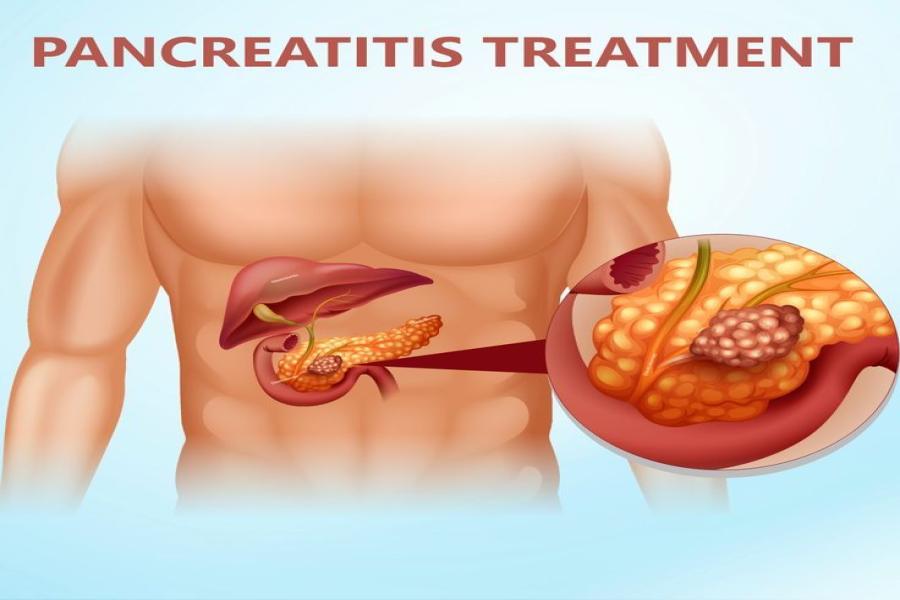
What is Pancreatitis?
The pancreas is a large gland located behind the stomach. It produces digestive enzymes and hormones like insulin. Pancreatitis is a condition in which the pancreas becomes inflamed. This happens when the digestive enzymes start attacking the pancreas itself instead of breaking down food in the small intestine.
The condition can be mild and short-term, or it can become severe and life-threatening. Early diagnosis and proper treatment are key to recovery.
Types of Pancreatitis:
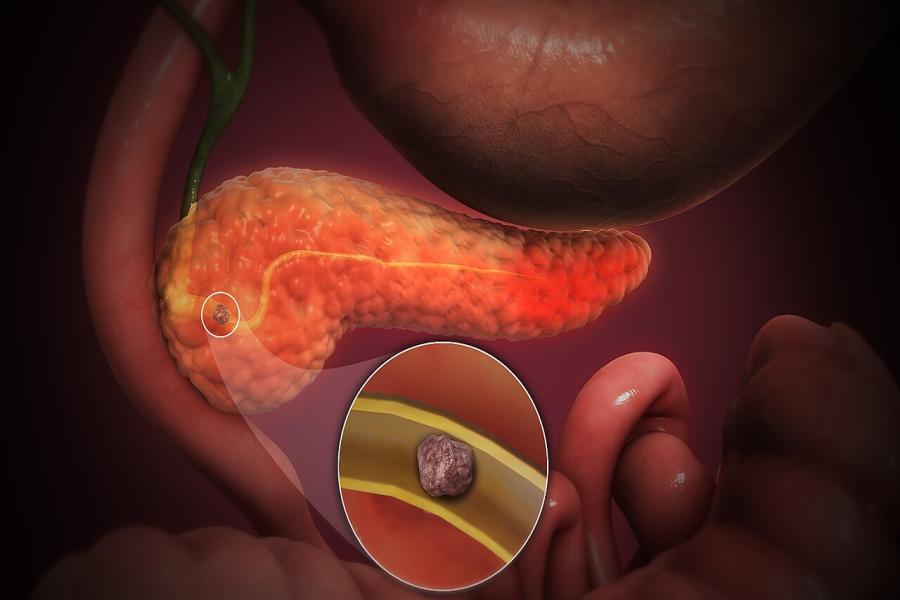
Acute Pancreatitis:
This type comes on suddenly and lasts for a few days. It is often caused by gallstones or heavy alcohol use. Most people recover fully with proper treatment.
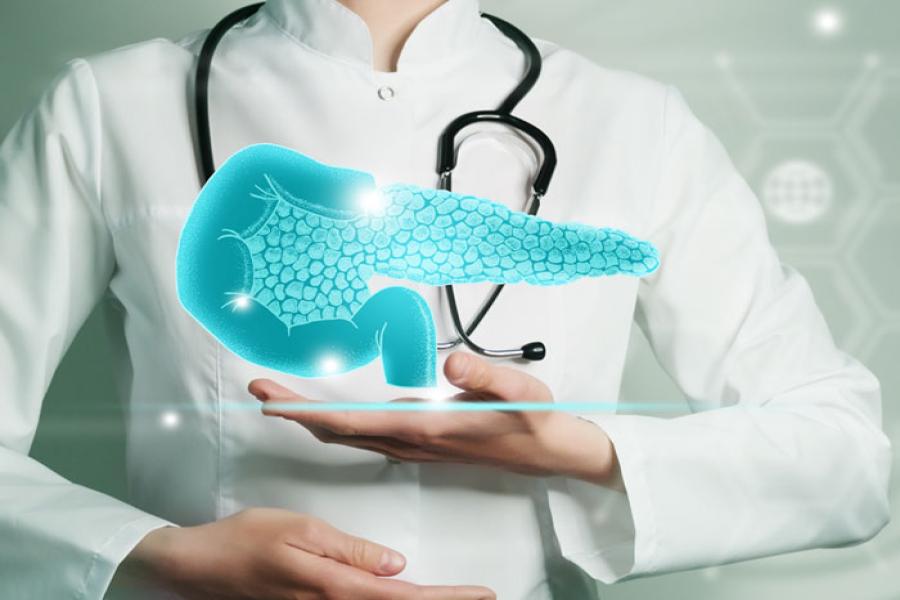
Chronic Pancreatitis:
This is a long-term condition where the pancreas is damaged over time. It can lead to permanent digestive problems and diabetes. It requires ongoing medical management.
What Are the Symptoms of Pancreatitis?
The symptoms of pancreatitis can vary depending on the type and severity. Common symptoms include:
- Severe pain in the upper abdomen that may radiate to the back
- Nausea and vomiting
- Fever and chills
- Rapid heartbeat
- Swollen or tender abdomen
- Oily, foul-smelling stools (in chronic cases)
- Unexplained weight loss
- Jaundice in some cases
If you notice any of these symptoms, do not delay. Contact Dr. Pinak Dasgupta for an expert evaluation at the earliest.
What Are the Causes of Pancreatitis?
Several factors can trigger pancreatitis. The most common causes include:
- Gallstones – Small stones in the gallbladder can block the pancreatic duct and cause inflammation.
- Excessive alcohol consumption – Heavy and prolonged alcohol use is a leading cause of both acute and chronic pancreatitis.
- High triglyceride levels – Elevated fat levels in the blood can irritate the pancreas.
- Medications – Certain medicines can trigger pancreatitis as a side effect.
- Infections – Viral infections like mumps or bacterial infections can cause inflammation.
- Abdominal injury or trauma – Physical injury to the abdomen can damage the pancreas.
- Autoimmune conditions – In some cases, the body’s immune system attacks the pancreas.
- Hereditary or genetic factors – Family history can increase the risk.
In some cases, the cause may not be clearly identified. This is known as idiopathic pancreatitis.
How is Pancreatitis Diagnosed?
An accurate diagnosis is essential for effective treatment. Dr. Pinak Dasgupta uses a combination of clinical assessment and advanced diagnostic tools to confirm pancreatitis.
Diagnostic methods may include:
- Blood tests – To check elevated levels of amylase and lipase enzymes, which are key markers of pancreatitis.
- Urine tests – To support the diagnosis.
- Ultrasound – To check for gallstones and assess the pancreas.
- CT scan or MRI – To get detailed images of the pancreas and surrounding organs.
- Endoscopic Ultrasound (EUS) – For more precise evaluation of the pancreatic duct and nearby tissues.
- ERCP (Endoscopic Retrograde Cholangiopancreatography) – Used to identify blockages in the pancreatic or bile duct.
Dr. Pinak Dasgupta has specialised training in endoscopy and advanced imaging. This allows him to make a precise and timely diagnosis for every patient.
Treatment Options for Pancreatitis:
- For Acute Pancreatitis:
- Hospitalisation for close monitoring
- Intravenous (IV) fluids to prevent dehydration
- Pain management medications
- Fasting to allow the pancreas to rest and heal
- Nutritional support through a feeding tube if required
- Antibiotics if there is an infection
- Surgical drainage if there is a pancreatic abscess or necrosis
- For Chronic Pancreatitis:
- Enzyme replacement therapy to aid digestion
- Insulin therapy if diabetes has developed
- Endoscopic procedures to clear blockages in the pancreatic duct
- Minimally invasive or robotic surgery for complex cases
- Nerve block for long-term pain management
Dr. Pinak Dasgupta is a certified DaVinci Robotic Console Surgeon. He uses robotic and laparoscopic techniques for surgical cases, which means smaller incisions, less pain, and faster recovery for patients.
Lifestyle and Other Management:
Managing pancreatitis is not just about medicines and surgery. Lifestyle changes play a vital role in recovery and prevention of recurrence.
- Avoid alcohol completely – This is the single most important lifestyle change for pancreatitis patients.
- Follow a low-fat diet – Eat light, easy-to-digest foods. Avoid fried and oily items.
- Eat small, frequent meals – This puts less stress on the pancreas.
- Stay hydrated – Drink plenty of water throughout the day.
- Quit smoking – Smoking can worsen pancreatitis and increase the risk of pancreatic cancer.
- Manage blood sugar levels – Especially important if diabetes has developed as a complication.
- Regular follow-up visits – Monitoring is essential to prevent complications.
Dr. Pinak Dasgupta and his team provide detailed dietary and lifestyle guidance as part of the treatment plan. The goal is long-term health and well-being for every patient.
What Happens if Pancreatitis is Not Treated on Time?
Ignoring pancreatitis or delaying treatment can lead to serious complications, including:
- Pancreatic necrosis – Death of pancreatic tissue due to infection or lack of blood flow
- Pseudocysts – Fluid-filled sacs that can rupture and cause internal bleeding
- Abscess formation – Pus-filled pockets near the pancreas
- Diabetes – Long-term damage to insulin-producing cells
- Malnutrition – Due to poor enzyme production and absorption
- Pancreatic cancer – Chronic inflammation increases the long-term risk
- Organ failure – In severe cases, the kidneys, lungs, or heart may be affected
Early treatment is the best way to avoid these life-threatening outcomes. Do not wait for symptoms to worsen.
Why Choose Dr. Pinak Dasgupta for Pancreatitis Treatment in Chennai, India?
- Over 21 years of surgical experience
- Certified DaVinci Robotic Console Surgeon – one of the very few in South India
- Post Doctoral Fellowship in Colorectal Surgery from MGR Medical University, Chennai
- Endoscopy Fellowship (Gold Medalist) from IAGES – highly relevant for GI conditions
- Awarded among the Top 10 Most Promising Colorectal Surgeons of India in 2024
- Multiple national and international award-winning surgical presentations
- Has trained more than 500 surgeons globally
- Specialised in minimally invasive techniques for faster recovery and less pain
- Patient-centred care with personalised treatment plans
Frequently Asked Questions (FAQs):
Acute pancreatitis is usually curable with prompt and proper treatment. Chronic pancreatitis can be managed effectively, though it may require long-term care.
For mild cases, recovery usually takes 1 to 2 weeks. Severe cases involving complications or surgery can take several weeks to 3 months. Chronic pancreatitis requires lifelong management.
Yes, pancreatitis can recur, especially if the underlying cause (like alcohol or gallstones) is not addressed. Following Dr. Pinak Dasgupta’s advice and making lifestyle changes can greatly reduce the risk.
You should follow a low-fat, high-protein diet. Eat small and frequent meals. Avoid alcohol, fried foods, and processed items. Dr. Pinak Dasgupta’s team will provide a personalised dietary plan based on your condition.
You can contact Dr. Pinak Dasgupta at GEM Hospital, MGR Main Rd, Thiruvengadam Nagar, Perungudi, Chennai – 600096. Call us at 8811091676 or email drpinakdasgupta12@gmail.com. We are available Monday to Saturday, 8 AM to 4 PM. You can also visit our website: www.roboticsurgeonpinak.com