
- 05/04/2023
- by Dr. Pinak Dasgupta
- Blog
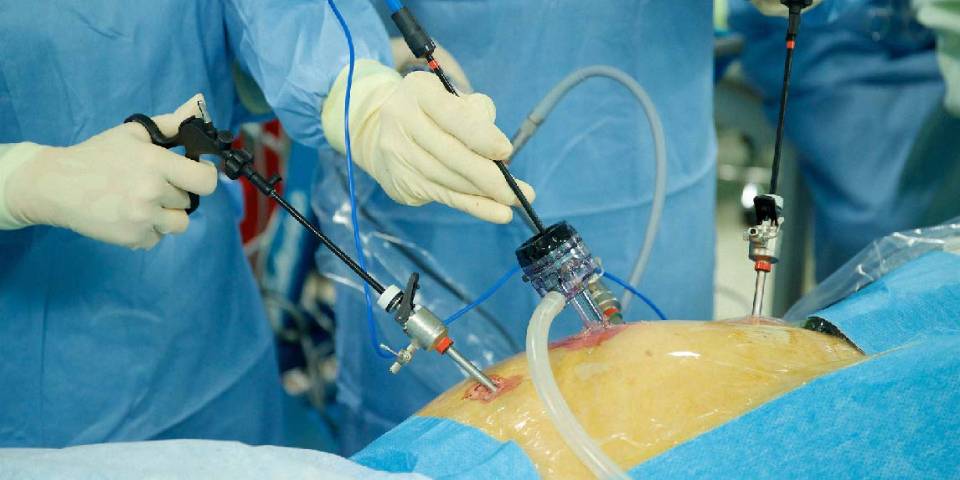
Looking for an experienced laparoscopic surgeon in Chennai? Understanding the procedure is the first step. Laparoscopic surgery, also known as minimally invasive or keyhole surgery, is a modern surgical technique that allows surgeons to operate through small incisions instead of the large cut used in traditional open surgery. It uses a specialised instrument called a laparoscope, a long, thin telescope with a high-definition camera and light source at its tip. The camera sends live images to a monitor, which guides the surgeon throughout the procedure.
Laparoscopic surgery can be used to perform a wide range of operations, including:
- Gallbladder surgery (laparoscopic cholecystectomy): The standard treatment for gallstones and gallbladder inflammation. The gallbladder is removed through small incisions, and most patients go home within a day or two.
- Hernia repair: Used for inguinal, umbilical, ventral, hiatus and recurrent hernias. The weak area is repaired from the inside, usually with a mesh, which often means less pain and a quicker return to routine than open repair.
- Appendix surgery (laparoscopic appendectomy): The preferred approach for appendicitis in most patients, with a smaller wound and a lower chance of wound infection.
- Acid reflux (GERD) surgery: Laparoscopic fundoplication helps patients whose reflux does not improve with long-term medication, and it can also treat a hiatus hernia at the same time.
- Colorectal surgery: Selected cases of colon and rectal cancer, diverticular disease, inflammatory bowel disease (Crohn’s disease and ulcerative colitis) and rectal prolapse can be treated by removing the affected part of the bowel through keyhole incisions.
- Weight-loss (bariatric) surgery: Procedures such as sleeve gastrectomy and gastric bypass help people with severe obesity lose weight and often improve conditions like type 2 diabetes.
- Gynaecological surgery: Hysterectomy, ovarian cyst removal and fibroid surgery are often done laparoscopically by gynaecologists.
How Laparoscopic Surgery is Performed?
Laparoscopic surgery is performed under general anaesthesia, so you are asleep and feel no pain during the operation. Here is what happens step by step:
- Small incisions: The surgeon makes a few small cuts in the abdomen, usually 0.5 to 1.5 cm each. The number and position depend on the type of surgery.
- Creating working space: Through one of the incisions, the abdomen is gently filled with carbon dioxide (CO₂) gas. This lifts the abdominal wall away from the organs, giving the surgeon room to see and work safely.
- Inserting the laparoscope: A laparoscope is passed through a small tube called a port. It is a long, thin, rigid telescope with a high-definition camera and a bright light at its tip.
- Viewing on a monitor: The camera sends magnified, real-time images of the inside of the abdomen to a monitor. This lets the surgeon see fine structures clearly.
- Performing the surgery: Slim, specialised instruments are inserted through the other ports. Watching the monitor, the surgeon carries out the operation, such as removing the gallbladder, repairing a hernia or removing a diseased section of bowel.
- Finishing up: Once the surgery is complete, the instruments are removed and the CO₂ is released. The small incisions are closed with stitches, surgical glue or skin strips.
Preparing for Laparoscopic Surgery:
To prepare for laparoscopic surgery, you may be required to:
- Avoid eating or drinking for several hours before the surgery
- Inform your surgeon about any medications you are taking
- Stop taking blood-thinning medications, such as aspirin or warfarin, as instructed by your surgeon
- Arrange for someone to drive you home after the surgery
- Follow any other instructions provided by your surgeon
Recovery After Laparoscopic Surgery:
Recovery after laparoscopic surgery is typically faster and less painful than after traditional open surgery. Depending on the complexity of the operation, you may go home on the same day or stay in the hospital for a day or two. You may have some discomfort, swelling and bruising around the incision sites, but these usually settle within a few days. Your surgeon may prescribe pain medication and advise you to avoid heavy lifting, strenuous activity and driving for a few weeks. The same quick recovery applies to robotic procedures, which are also performed through small keyhole incisions. If you are weighing both options, a robotic surgeon in Chennai such as Dr. Pinak Dasgupta can explain which approach suits your condition best.
Laparoscopic surgery has several advantages over traditional open surgery, including:
- Less pain and discomfort: Since the incisions are smaller, laparoscopic surgery causes less pain and discomfort, which leads to faster recovery times.
- Reduced scarring: Laparoscopic surgery results in smaller scars than traditional open surgery, which are less noticeable and heal faster.
- Shorter hospital stay: Patients who undergo laparoscopic surgery typically have shorter hospital stays than those who undergo traditional open surgery.
- Lower risk of complications: Since laparoscopic surgery is less invasive, there is a lower risk of complications such as infection and bleeding.
- Faster return to normal activities: Patients who undergo laparoscopic surgery can return to their normal activities faster than those who undergo traditional open surgery.
Potential Risks and Complications of Laparoscopic Surgery:
As with any surgery, laparoscopic surgery carries some risks and potential complications, including:
- Infection
- Bleeding
- Organ damage
- Adverse reaction to anesthesia
- Blood clots
- Hernia formation at the incision site
Dr. Pinak Dasgupta - Laparoscopic Surgeon in Chennai:
Laparoscopic surgery has changed how many abdominal conditions are treated. Through a few small incisions, it can treat gallstones, hernias, appendicitis, acid reflux and selected colon and rectal problems, usually with less pain, smaller scars, a shorter hospital stay and a quicker return to daily life than open surgery.
It is not right for everyone, and the best approach depends on your diagnosis, your general health and your previous surgeries. A careful assessment and an honest discussion of the benefits and risks will help you decide with confidence.
If you have been advised to have surgery, or are looking for a laparoscopic surgeon in Chennai to give you a second opinion, book an appointment with Dr. Pinak Dasgupta.
Frequently Asked Questions
Yes. Although the incisions are small, it is a real operation performed under general anaesthesia, and it carries the same kind of risks as other surgeries. What makes it “minimally invasive” is the smaller cuts, which usually mean less pain and a faster recovery.
Most patients have only mild to moderate pain around the small incisions, which is controlled with medication. Some people also feel shoulder-tip pain and bloating for a couple of days because of the gas used during surgery. Walking helps it settle.
It depends on the procedure. Many patients go home the same day or after 1 to 2 days. Larger operations, such as colorectal surgery, may need a slightly longer stay.
Most people return to light daily activities within a few days and to desk work within 1 to 2 weeks. Heavy lifting and strenuous exercise are usually avoided for 2 to 6 weeks, depending on the surgery. Your surgeon will give you specific instructions.
Yes, but they are small, usually 0.5 to 1.5 cm, and fade considerably over time. They are much less noticeable than the scar from open surgery.


