
- 08/01/2026
- by Dr. Pinak Dasgupta
- Blog
Living with piles (hemorrhoids) or fissures can be extremely painful and embarrassing. Many people delay treatment due to fear or discomfort. However, ignoring the problem often makes it worse.Conditions like fissures of anus, hemorrhoids, and fissure disease are very common in India. They are often linked to lifestyle habits, diet, and bowel patterns.
According to Dr. Pinak Dasgupta, an award-winning Robotic Surgeon in Chennai and leading Colorectal Surgeon in Chennai, lifestyle correction plays a major role in relieving symptoms and preventing recurrence. While medicines and procedures help, daily habits decide long-term recovery.
Below are 15 doctor-recommended lifestyle changes that can provide real relief.
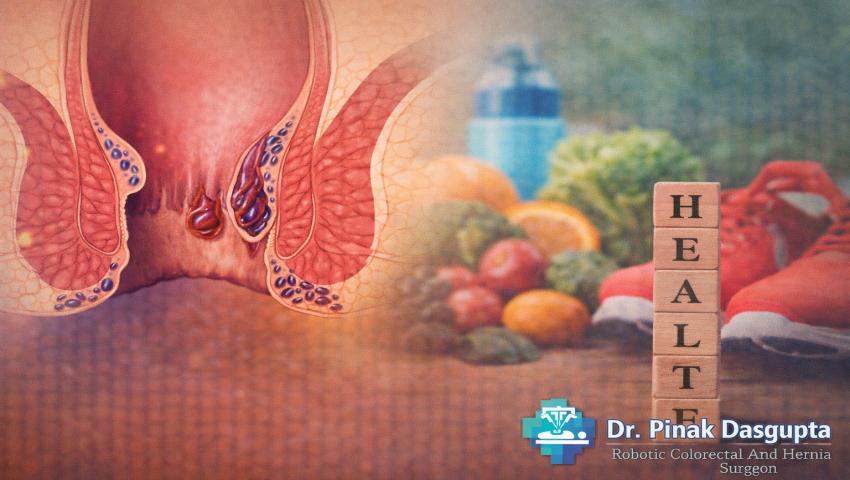
Understanding Hemorrhoids and Anal Fissures:
Hemorrhoids are swollen veins in the rectum or anus.
Anal fissures are small tears in the anal lining.
Both conditions can cause:
- Severe pain during bowel movements
- Burning or itching
- Bleeding
- Fear of using the toilet
A fissure disease often starts with constipation or hard stools. Over time, pain increases and healing becomes difficult without proper care. Early consultation with an experienced fissures doctor is always advised.
15 Lifestyle Changes for Relief from Fissures and Hemorrhoids:
- Increase Fibre Intake Daily: Fibre helps soften stools and makes bowel movements easy. Hard stools can tear the anal skin and worsen fissures. Eat more vegetables, fruits, whole grains, oats, and salads every day. Fibre also reduces pressure on hemorrhoids.
- Drink Plenty of Water: Water is essential for healthy digestion. Drink at least 2.5 to 3 litres of water daily. Less water makes stools dry and hard. This increases pain during motion and delays healing.
- Avoid Straining During Bowel Movements: Never push or strain while passing stools. Straining puts pressure on the anus and worsens fissure hemorrhoids treatment results. Relax and allow stools to pass naturally.
- Fix Your Toilet Timing: Go to the toilet as soon as you feel the urge. Holding stools makes them harder and more painful to pass later. A regular toilet routine helps prevent constipation.
- Limit Time on the Toilet: Do not sit for long in the toilet. Avoid using mobile phones or reading while passing stools. Long sitting increases pressure on rectal veins and worsens piles.
- Use Warm Sitz Baths: Sitting in warm water for 10 to 15 minutes relaxes the anal muscles. It improves blood flow and reduces pain and burning. This is very helpful for fissures of anus.
- Apply Prescribed Creams Correctly: A doctor-recommended cream for fissures helps reduce pain, muscle spasm, and improves healing. Apply exactly as advised by your fissures doctor. Avoid self-medication.
- Avoid Spicy and Fried Foods: Spicy, oily, and junk foods irritate the anal area. They can cause burning sensation and delay healing. Choose simple, home-cooked food for better recovery.
- Exercise Regularly: Daily exercise improves digestion and bowel movement. Simple walking for 30 minutes a day is enough. It helps prevent constipation and reduces pressure on hemorrhoids.
- Maintain Proper Anal Hygiene: Clean the anal area gently with water after passing stools. Avoid harsh toilet paper or rough wiping. Good hygiene prevents infection and irritation.
- Manage Stress: Stress affects digestion and bowel habits. It can cause constipation or irregular stools. Yoga, breathing exercises, and proper sleep help relax the body and gut.
- Avoid Excessive Use of Laxatives: Frequent use of laxatives can weaken natural bowel movement. Use them only if prescribed by a doctor. Lifestyle changes are always better for long-term relief.
- Maintain a Healthy Body Weight: Being overweight increases pressure on rectal veins. This worsens piles and delays fissure healing. A healthy weight supports faster recovery.
- Quit Smoking and Limit Alcohol: Smoking and alcohol reduce blood flow and slow healing. They can make fissure disease chronic. Avoiding them improves treatment results.
- Consult a Specialist Early: Do not ignore pain, bleeding, or non-healing wounds. Early consultation with an experienced colorectal specialist prevents complications. Chronic fissures may need advanced treatment.
When Lifestyle Changes Are Not Enough?
If pain, bleeding, or non-healing continues beyond a few weeks, medical intervention may be required. Chronic fissures and advanced hemorrhoids often need procedures.
Modern options include:
- Laser fissure treatment
- Minimally invasive hemorrhoid surgery
- Robotic and laparoscopic procedures
Consulting the Best Laparoscopic Surgeon in Chennai ensures faster recovery and less pain
Expert Care by Dr. Pinak Dasgupta in Chennai:
Dr. Pinak Dasgupta is a renowned Robotic Surgeon in Chennai, specialising in colorectal diseases, hernia surgery, and advanced minimally invasive procedures.
With over 21 years of experience and 5000+ successful hernia surgeries, he is recognised as one of the Best GI Surgeons in Chennai. He currently heads the department at GEM Hospital, Chennai, a centre of excellence for gastrointestinal care.
Dr. Pinak Dasgupta is:
- Intuitive DaVinci Robotic Certified Console Surgeon
- Gold Medalist in Endoscopy
- Award-winning surgeon at national and international forums
- Trainer of over 500 surgeons worldwide
Patients seeking Fissure Treatment in Chennai benefit from his expertise in robotic and laparoscopic techniques that ensure minimal pain and quicker healing.
Why Choose Robotic and Laparoscopic Treatment?
Modern robotic surgery offers:
- High precision
- Minimal blood loss
- Less post-operative pain
- Faster return to daily life
That is why many patients prefer consulting a skilled Colorectal Surgeon in Chennai who specialises in robotic procedures.
Do Not Ignore Anal Pain or Bleeding:
Painful bowel movements are not normal. Ignoring symptoms can lead to chronic fissure disease and complications.
Early diagnosis and lifestyle correction can prevent surgery in many cases. When surgery is needed, advanced techniques provide safe and effective relief.
Conclusion:
Fissures and hemorrhoids can cause severe discomfort and affect daily life. The good news is that many cases improve with simple lifestyle changes when followed regularly. Eating a fibre-rich diet, drinking enough water, maintaining proper toilet habits, and managing stress can significantly reduce pain and help healing.
However, if symptoms like pain, bleeding, or difficulty in passing stools continue, they should not be ignored. Early medical advice prevents the condition from becoming chronic and reduces the need for surgery. If you are struggling with fissures or hemorrhoids, book an appointment with Dr. Pinak Dasgupta, an experienced Robotic and Colorectal Surgeon in Chennai, for accurate diagnosis and advanced treatment. Timely consultation can help you return to a pain-free and comfortable life.

